Cold Weather Pet Safety Tips for Fishers, IN Families

Cold Weather Pet Safety Tips for Fishers, IN Families
As the familiar chill of November settles over Fishers and surrounding communities, pet owners begin to notice their furry companions spending more time curled up indoors and less time exploring the yard. While the cold weather brings cozy evenings and frosted mornings, it also introduces unique challenges for pet safety and health. At Pet Vet Animal Hospital, located at 14065 Mundy Dr, Fishers, IN 46038, we understand how much you care about your pets. That is why we want to help you keep your four-legged family members safe, comfortable, and healthy all winter long.
This guide will share practical cold weather pet safety tips, including how to adjust your pet’s daily routine, what warning signs to watch for, and when it is important to seek professional help. You will also learn why regular veterinary checkups are especially important during the colder months. If you are looking for comprehensive pet care tips in Fishers, IN, and want to ensure your companion is protected as the temperature drops, you are in the right place. Our team of veterinarians is always here to help you schedule an appointment and answer any questions about your pet’s winter wellness. If you are searching for a "vet near me" who truly understands local climate concerns, our clinic is committed to supporting you every step of the way.
Recognizing Cold Weather Risks: Signs Your Pet Needs Extra Attention
Cold weather pet safety is not just about keeping your pet warm; it is about understanding how seasonal changes can impact their health and behavior. Pets living in Fishers and neighboring areas experience significant temperature fluctuations, which can affect even the most adventurous dogs and cats.
Key signs that your pet may be struggling with the cold include shivering, reluctance to go outside, limping after walks, or seeking warm hiding spots. You may also notice that your pet’s skin becomes dry or flaky, and their paw pads may show redness or cracking. For senior pets or those with underlying health conditions, the cold can worsen joint stiffness or mobility issues. Additionally, cats sometimes hide unusual symptoms, so watch for increased sleeping, vocalization, or changes in appetite.
Pets with short coats, very young animals, or those with health concerns are especially vulnerable. If your dog or cat seems less interested in food, starts coughing, or shows any signs of respiratory distress, these may be warning signals that should not be ignored. Early recognition of these issues is essential for maintaining your pet’s health through the winter months.
Why Cold Weather Poses a Challenge: Understanding the Risks
Fishers, IN is known for its brisk winters and occasional ice storms, which can bring sudden drops in temperature. Pets are not immune to the hazards that come with icy sidewalks, frigid winds, and dry indoor heating. Prolonged exposure to cold weather can lead to hypothermia or frostbite, conditions that develop when a pet’s body temperature falls below a healthy range.
Hypothermia in pets develops when they are exposed to cold for too long or become wet and chilled. Symptoms include lethargy, pale gums, muscle stiffness, or shallow breathing. Frostbite generally affects extremities, such as ears, tails, and paws, and may result in pale or blue-tinged skin, swelling, or pain in these areas. Even indoor pets are not entirely safe; dry air from heating systems can lead to dehydration, itchy skin, or respiratory irritation.
Salt and de-icing chemicals used on sidewalks and roads present another risk. When pets walk on treated surfaces, they may lick their paws afterward, potentially ingesting harmful substances. Dogs and cats with heart conditions, arthritis, or metabolic issues may also struggle more during the colder months.
The unique climate in Fishers means that a sudden temperature dip can catch pet owners off guard. Taking these risks seriously is the first step in protecting your pet’s well-being. For more in-depth advice tailored to your animal’s specific needs, our team can provide a wellness examination that addresses seasonal health risks and preventive strategies for your companion.
Keeping Pets Safe: Treatment and Management Strategies for Cold Weather
Proactive pet care tips in Fishers, IN can make a world of difference when it comes to cold weather pet safety. Our veterinary team recommends several management strategies to help your pet remain comfortable and healthy as temperatures drop.
When it comes to indoor safety, ensure your pet has a warm, draft-free sleeping area. Soft bedding placed away from doors and windows helps your pet retain body heat overnight. For pets with arthritis or mobility issues, orthopedic beds and gentle indoor exercise can help keep joints flexible. If you have a dog that typically spends time in the yard, plan shorter, more frequent walks during the coldest days. Always dry your pet thoroughly if they get wet from snow or rain.
Diet and hydration are equally important in the winter. Some pets may require more calories to maintain body heat, while others may become less active and need careful portion control. Our nutritional counseling services can help you determine the best winter diet for your pet, taking into account their age, breed, and activity level. Fresh, unfrozen water must always be available, as dehydration is a hidden winter danger.
If your pet is outdoors even briefly, check their paws for ice balls, salt, or small cuts after every walk. Rinsing and drying their feet prevents irritation and keeps chemicals from being ingested. Consider using pet-safe booties or paw balm for extra protection. For cats, especially those who venture outside, ensure they have a way to return home easily and do not get locked out in the cold.
Routine veterinary visits are essential, particularly for older animals or those with chronic conditions. Our veterinary professionals can assess your pet’s risk factors, provide immunizations, and screen for underlying problems that might worsen in winter. Scheduling a comprehensive wellness examination before or during the colder months helps catch issues early and ensures your companion is ready for seasonal changes.
Preventive Steps and At-Home Care for Winter Wellness
Taking a proactive approach to cold weather pet safety in Fishers, IN means making simple adjustments to your home and routine. Start by creating a regular grooming schedule to remove loose fur and prevent matting, which can trap moisture and reduce insulation. Monitor your pet’s skin and coat for dryness, and use a humidifier if your home’s air becomes too dry.
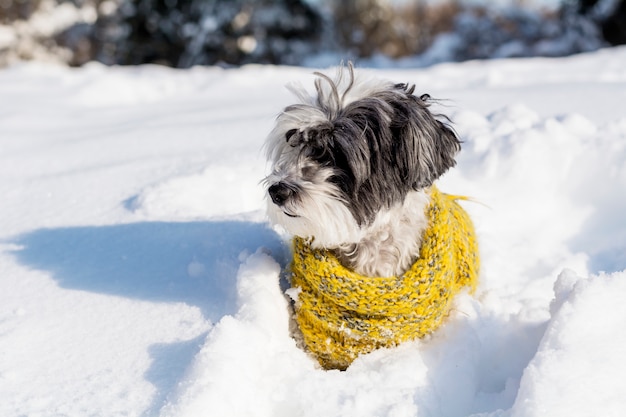
When heading outdoors, dress short-haired dogs in a pet-safe sweater or coat. Avoid leaving pets outside for extended periods, and never let them roam unsupervised, especially during icy conditions. Check under vehicles before starting your car, as cats and small animals may seek warmth near the engine.
Make your home a safe haven by blocking access to heaters, fireplaces, or space heaters that could cause burns. Keep antifreeze and winter chemicals stored securely, as even small amounts are toxic to pets. Encourage gentle indoor play to maintain activity levels and prevent boredom.
If your pet has allergies that flare up during winter due to indoor dust or mold, our allergy assistance services can help you manage symptoms and improve your companion’s quality of life.
Consistent preventive care, including timely vaccinations and parasite prevention, remains just as important in winter as any other time of year. Regular checkups with a veterinarian near me ensure your pet is up to date on all necessary protections and ready to face any seasonal challenges.
When to Seek Veterinary Care: Recognizing Urgent Winter Health Issues
Knowing when to call your veterinary team is one of the most valuable cold weather pet safety tips for Fishers, IN pet owners. If your pet exhibits symptoms such as persistent shivering, weakness, confusion, or difficulty breathing, these may be signs of hypothermia or another serious condition requiring immediate attention.
Other warning signs to watch for during winter include pale or discolored extremities, unexplained swelling, severe lethargy, or any sudden changes in appetite or energy. If your pet’s skin appears blistered or they are in obvious pain after being outside, frostbite may be a concern. Do not wait to seek help in these cases, as early intervention is critical for recovery.
Pets with chronic illnesses, such as heart disease or diabetes, should have their health closely monitored during cold weather. Schedule an appointment with our veterinary professionals for a thorough evaluation if you notice changes in their condition or if you are concerned about how winter may impact their health.
If you are unsure whether your pet’s symptoms are cause for concern, our team is always available to provide guidance and recommend the best next steps for your companion’s well-being. Remember, it is always better to err on the side of caution; timely care can make a significant difference during the colder months.
Conclusion: Keep Your Companion Safe with Help from Your Fishers Vet
Winter in Fishers brings both joy and new responsibilities for pet owners. By staying alert to your pet’s needs, adjusting routines, and seeking advice from your local veterinary team, you can help your companion thrive throughout the season. The most effective cold weather pet safety strategies combine regular checkups, attentive home care, and a willingness to adapt as the temperature changes.
If you have questions or want to schedule a wellness examination for your pet, reach out to Pet Vet Animal Hospital. Our team of veterinarians is dedicated to providing quality veterinary services near me in Fishers and the surrounding communities. We invite you to call (317) 792-8919 or visit our convenient location at 14065 Mundy Dr, Fishers, IN 46038 to book an appointment and discuss the best pet care tips in Fishers, IN for the season.
At Pet Vet Animal Hospital, we are committed to supporting your efforts to keep your beloved companions healthy, safe, and happy—no matter how chilly it gets outside. For compassionate advice from a "vet near me" and trusted partner in your pet’s wellbeing, let our veterinary professionals be your first call this winter.
This article is for informational purposes only and does not replace professional veterinary advice. If you have concerns about your pet’s health, please consult your veterinarian promptly.